Trimoryn Official Website › Trimoryn Ingredients
Trimoryn Ingredients: The Full List With Amounts
Trimoryn's label panel names eleven ingredients and prints an amount beside each one.
Three sit at 100 mg, riboflavin at 25 mg is the only entry with a Daily Value, and two named probiotic strains come at a billion CFU each.
Every Trimoryn ingredient, with the amount the label prints
Eleven rows, transcribed from the Supplement Facts artwork. The notes are this desk’s, the amounts are the label’s.
| Amount | % Daily Value | What it is | |
|---|---|---|---|
| Riboflavin (Vitamin B2) | 25 mg | 1,470% | the only entry on the panel with an established Daily Value, and it is printed at fourteen times it |
| Mangosteen Powder | 100 mg | Not established | joint-largest entry on the panel, given as whole powder rather than an extract |
| Prickly Pear Extract Powder 4:1 | 100 mg | Not established | a 4:1 extract, so 100 mg carries the soluble fraction of about 400 mg of the plant |
| Cinnamon Bark Extract 10:1 | 100 mg | Not established | a 10:1 extract, the most concentrated ratio printed anywhere on this panel |
| Konjac Extract Fiber (Std. 90% Glucomannan) | 50 mg | Not established | standardised to 90% glucomannan, so 45 mg of the fibre itself |
| Alpha Lipoic Acid | 25 mg | Not established | the panel's antioxidant entry, and the one with the largest pooled weight trial behind it |
| Turmeric Extract (Std. 95% Curcumin) | 15 mg | Not established | standardised to 95% curcumin, so 14.25 mg of curcumin |
| Berberine HCL | 15 mg | Not established | the entry with the longest interaction list attached to it |
| Resveratrol Extract (Std. 20% from Polygonum Cuspidatum) | 12 mg | Not established | standardised to 20%, so 2.4 mg of resveratrol, from Japanese knotweed |
| Bifidobacterium Breve | 1 billion CFU | Not established | one of two probiotic strains, measured in colony forming units rather than milligrams |
| Akkermansia Muciniphila | 1 billion CFU | Not established | the gut strain the seller's own mechanism section leans on hardest |
What each Trimoryn ingredient is, and what the work says
Eleven entries, each with the published record behind it and the amount that record used.
Riboflavin (Vitamin B2), 25 mg
The panel's first entry and the only one with an established Daily Value beside it, printed at 1,470%. Riboflavin is a water-soluble B vitamin and the precursor of two coenzymes that carry the reactions releasing energy from food, which is the plainest mechanism anywhere on this bottle. The NIH fact sheet sets the adult intake at 1.1 mg a day for women and 1.3 mg for men and records that no Tolerable Upper Intake Level has been set, because adverse effects from high intakes have not been reported. A review of recent human research covers absorption, deficiency and the conditions riboflavin has been studied in. MedlinePlus is the short version for a reader with no background. Twenty-five milligrams is a generous amount rather than a risky one, and bright yellow urine for a few hours afterwards is the ordinary and harmless consequence.
Mangosteen Powder, 100 mg
Joint-largest entry on the panel and the only botanical given as whole fruit powder rather than an extract, which means no concentration ratio and no standardised marker compound to check. Mangosteen is a tropical fruit whose pericarp carries a family of compounds called xanthones. A 26-week randomised pilot study gave 22 women with insulin resistance either behavioural therapy alone or behavioural therapy with a mangosteen extract; insulin resistance improved markedly more in the extract group and no side effect was attributed to the treatment. Twenty completed it, which is a small study and is described by its own authors as preliminary.
Prickly Pear Extract Powder 4:1, 100 mg
A 4:1 extract, so 100 mg carries the soluble fraction of roughly 400 mg of cactus. Prickly pear is Opuntia ficus-indica, and the interesting property is mechanical rather than metabolic: its fibre binds dietary fat in the gut. A double-blind, randomised, placebo-controlled cross-over trial in twenty healthy adults on a standardised 35%-fat meal plan measured fat in the stool directly, and found 15.8% on cactus fibre against 4.6% on placebo. That trial used two tablets three times a day with meals, which is a great deal more material than 100 mg once a day. A systematic review of Opuntia products covers the blood-sugar side and is candid about how varied the published trials are.
Cinnamon Bark Extract 10:1, 100 mg
The most concentrated ratio printed anywhere on this panel. A 10:1 extract at 100 mg stands in for a gram of bark, which puts this entry inside the range the published work uses rather than well below it. A 2024 dose-response meta-analysis of 24 randomised trials found significant reductions in fasting blood sugar, insulin resistance and HbA1c in people with type 2 diabetes, with no significant change in serum insulin. An umbrella meta-analysis pooling seven earlier reviews looked at obesity measures rather than glycaemic ones. NCCIH is the plain-language summary, and it is the right place to read about cassia cinnamon and coumarin, which the panel does not address: the label names no species.
Konjac Extract Fiber (Std. 90% Glucomannan), 50 mg
Standardised, so the arithmetic is possible: 45 mg of glucomannan a day. Glucomannan is a soluble fibre from the konjac root that takes up many times its weight in water and thickens what it is in, which is the property behind every claim made for it. A meta-analysis of fourteen trials in 531 people found it lowered total cholesterol, LDL cholesterol, triglycerides, fasting blood glucose and body weight. A cross-over trial in sixteen healthy adults tested fullness directly by replacing a high-carbohydrate preload with a konjac gel and found people did not eat more later to compensate. A review of 136 human fibre studies is the honest overview: most isolated fibres do not move appetite ratings, and viscosity is what separates the ones that do. The amount here is far below the trials, and the dosage section on the home page prints the comparison in full.
Alpha Lipoic Acid, 25 mg
An antioxidant the body also makes for itself, and a cofactor in mitochondrial energy metabolism. It is the entry on this panel with the largest pooled weight trial behind it. A meta-analysis of ten randomised, double-blind, placebo-controlled studies (Kucukgoncu 2017) found an average 1.27 kg more weight lost than placebo and a mean body mass index difference of 0.43. The part worth reading twice is the meta-regression: it found no relationship between the dose used and the size of the result, which is unusual and which means a larger number in this row would not automatically have been a better one.
Turmeric Extract (Std. 95% Curcumin), 15 mg
Standardised to 95% curcumin, so 14.25 mg of curcumin a day. A dose-response meta-analysis of 60 randomised trials in 3,691 people (Dehzad 2023) found curcumin reduced body weight, body mass index, waist circumference and leptin and raised adiponectin, with high heterogeneity between studies. The practical problem with curcumin is not whether it does anything but whether it gets anywhere: the classic human pharmacokinetic study found that 2 g of curcumin on its own left serum levels undetectable or very low, and that adding 20 mg of piperine raised the figure by two thousand per cent. There is no piperine on this panel. The NCBI LiverTox record is the safety side, and it matters more than the amount here would suggest if you also take a separate turmeric capsule.
Berberine HCL, 15 mg
A plant alkaloid found in barberry, goldenseal and Chinese goldthread, and the entry on this panel with the longest interaction list attached to it. A 2026 narrative review of berberine drug interactions is the reference to read before adding it to anything else you take: it describes inhibition and induction of CYP3A4, effects on P-glycoprotein and the organic cation transporters, additive effects on blood sugar and blood pressure, and a clinical anchor of a 34.5% rise in cyclosporine exposure in transplant recipients. It also records what the label cannot: oral bioavailability is very low and the amount actually delivered varies widely between products. Fifteen milligrams is a small amount by the standards of that literature.
Resveratrol Extract (Std. 20% from Polygonum Cuspidatum), 12 mg
Standardised to 20%, so 2.4 mg of resveratrol a day, taken from Japanese knotweed rather than from grapes. An umbrella meta-analysis of the resveratrol literature found effects on anthropometric and inflammatory markers that are real but modest and inconsistent across the underlying reviews. The awkward fact is older and simpler: a human absorption study gave six volunteers a 25 mg oral dose and found at least 70% of it absorbed but almost none of it circulating as resveratrol, because the intestine and the liver conjugate it almost immediately. At 2.4 mg this entry is a tenth of that dose.
Bifidobacterium Breve, 1 billion CFU
The first of two probiotic strains, named to the species and measured in colony forming units rather than milligrams. B. breve is a normal inhabitant of the infant gut and one of the better-studied Bifidobacterium species. A twelve-week randomised, double-blind, placebo-controlled trial in 80 pre-obese adults (Minami 2018) gave one strain, B-3, at 20 billion colony forming units a day, and found body fat mass and percent body fat lower in the probiotic group at weeks eight and twelve, with no serious adverse effects. The label does not name a strain designation, only the species, so whether the strain in this capsule is the one in that trial is not something the bottle says.
Akkermansia Muciniphila, 1 billion CFU
The entry the seller's own mechanism section leans on hardest, and the one with the most interesting recent literature. Akkermansia lives in the mucus layer of the gut and its abundance is inversely associated with obesity and metabolic disease. A proof-of-concept study published in Nature Medicine gave 32 overweight, insulin-resistant volunteers 10 billion bacteria a day for three months and reported that the pasteurised form improved insulin sensitivity and reduced insulinaemia and total cholesterol, with safety and tolerability as the primary endpoints. A meta-analysis of 200 probiotic and synbiotic trials in 12,603 adults (Saadati 2024) is the wider view, and the NIH fact sheet on probiotics is the reference version.
Why the Trimoryn artwork names six ingredients and the bottle names eleven
The vendor ships two listing graphics, and both put the same six ingredients in circles around the bottle: riboflavin, mangosteen powder, prickly pear extract, cinnamon bark extract, konjac extract fibre and alpha lipoic acid. Those are the six largest entries and the six a reader is most likely to recognise. The seller’s order page names ten, adding turmeric, berberine, resveratrol and the two probiotic strains but leaving riboflavin out. The printed panel names all eleven.
None of those three lists is wrong. They are a marketing selection, a sales-page selection and the bottle, and where they disagree the bottle is the one that arrives. That is why every amount on this website is read off the panel artwork rather than off either page, and it is why the label page reproduces the panel in full rather than summarising it.
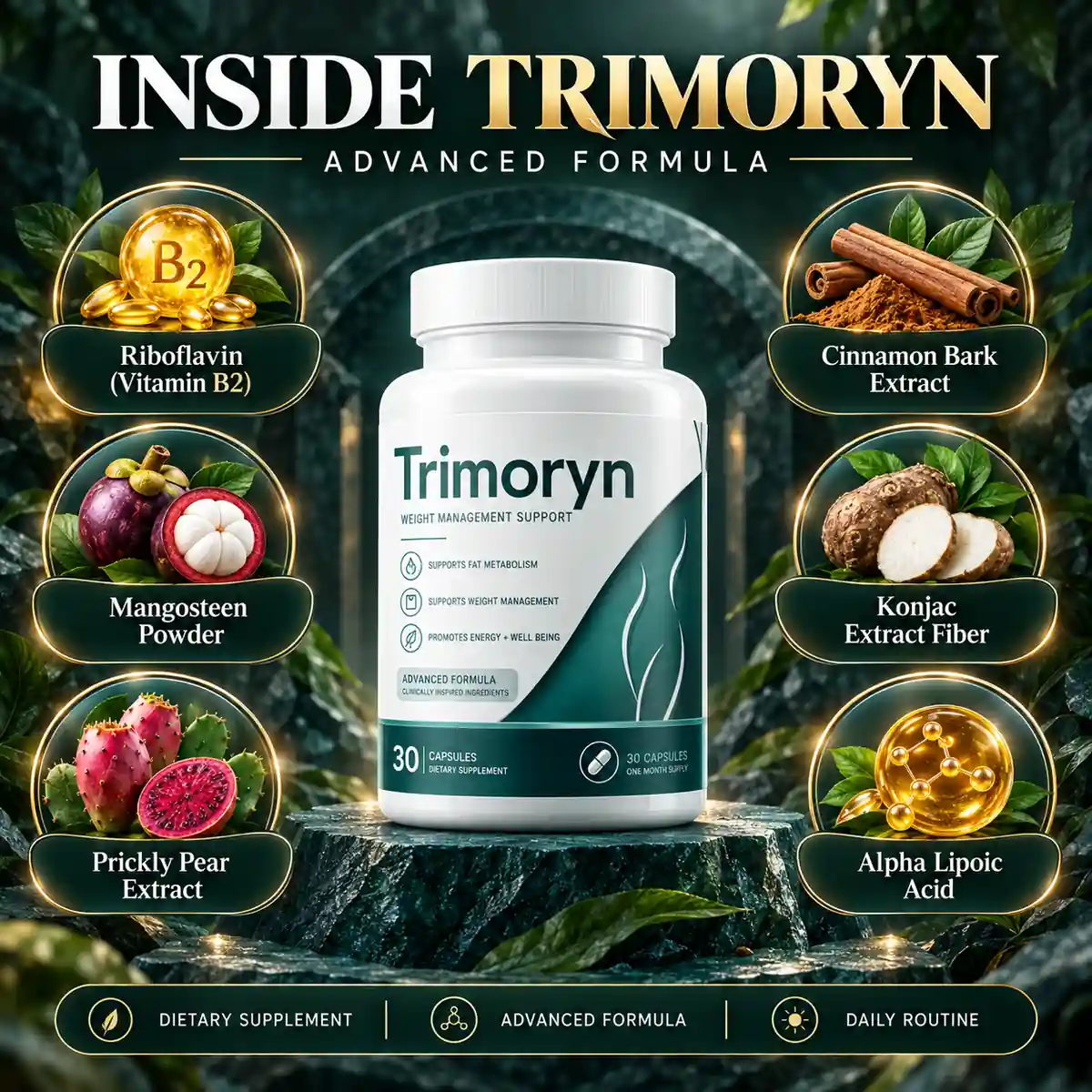
Riboflavin, mangosteen, prickly pear, cinnamon bark, konjac fibre and alpha lipoic acid. The five it leaves out are turmeric, berberine, resveratrol and the two probiotic strains.
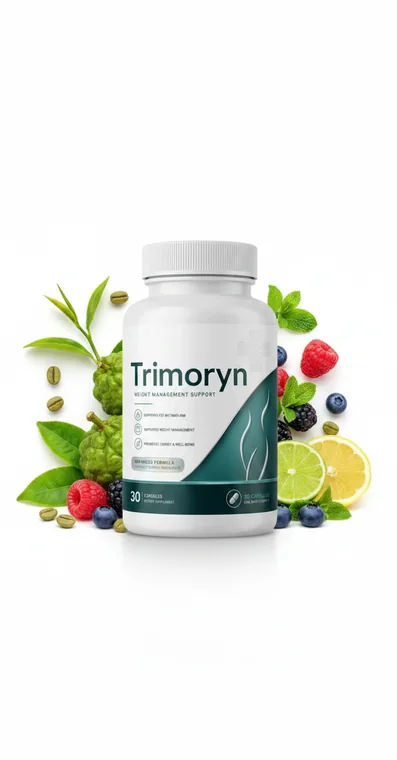
Green coffee beans, raspberries, blackberries, blueberries, citrus and mint appear in the seller’s product photography. None of them is an ingredient. It is atmosphere, and it is worth telling the two apart.
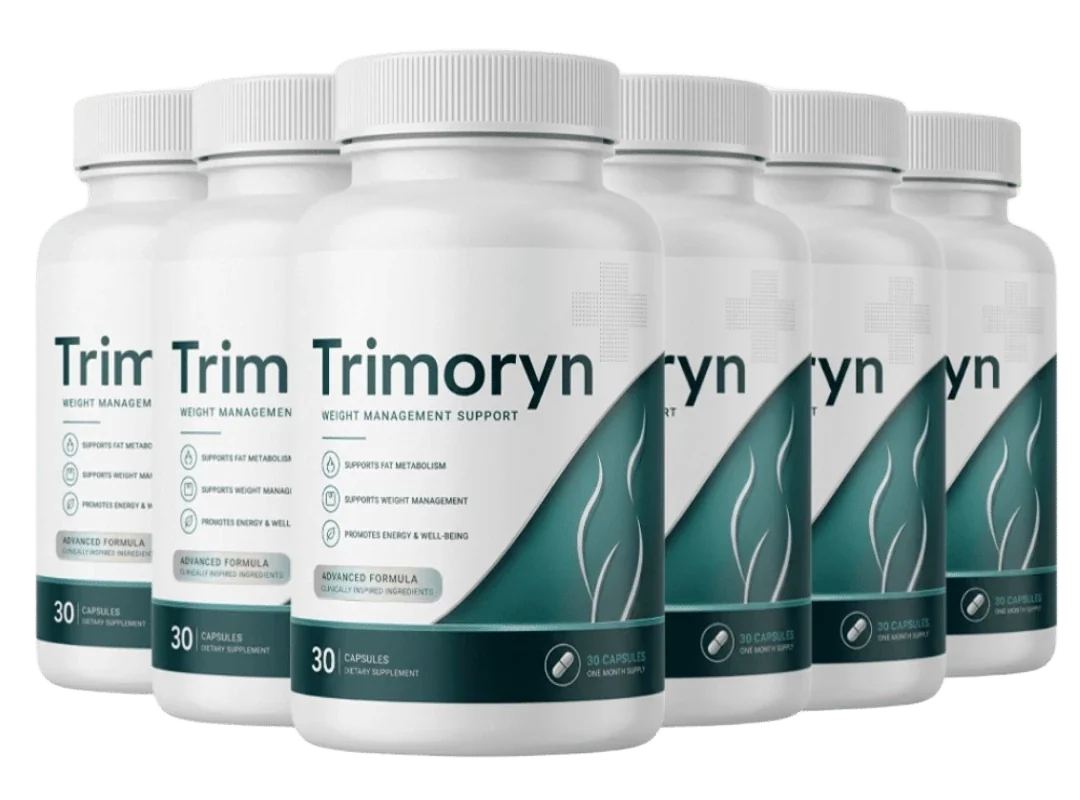
Order Trimoryn on the official website
Eleven ingredients, every amount printed on the bottle, one capsule a day. Three packs and sixty days from the day you pay.
$49 to $79 a bottle · 60 days from purchase to change your mind
Order Trimoryn On The Official WebsiteFree US shipping on the 3 and 6 bottle packs · lot TRI-26/GO-2941 · prices read on 19 September 2026
Who wrote this Trimoryn page
Sources cited on this Trimoryn page
- NIH Office of Dietary Supplements. Riboflavin: Fact Sheet for Health Professionals. https://ods.od.nih.gov/factsheets/Riboflavin-HealthProfessional/
- MedlinePlus Medical Encyclopedia. Riboflavin. U.S. National Library of Medicine. https://medlineplus.gov/ency/article/002411.htm
- Thakur K, Tomar SK, Singh AK, Mandal S, Arora S. Riboflavin and health: A review of recent human research. Crit Rev Food Sci Nutr. 2017;57(17):3650-3660. https://pubmed.ncbi.nlm.nih.gov/27029320/
- Watanabe M, Gangitano E, Francomano D, Addessi E, Toscano R, Costantini D, Tuccinardi D, Mariani S, Basciani S, Spera G, Gnessi L, Lubrano C. Mangosteen Extract Shows a Potent Insulin Sensitizing Effect in Obese Female Patients: A Prospective Randomized Controlled Pilot Study. Nutrients. 2018;10(5). https://pubmed.ncbi.nlm.nih.gov/29747432/
- Gouws CA, Georgousopoulou EN, Mellor DD, McKune A, Naumovski N. Effects of the Consumption of Prickly Pear Cacti (Opuntia spp.) and its Products on Blood Glucose Levels and Insulin: A Systematic Review. Medicina (Kaunas). 2019;55(5). https://pubmed.ncbi.nlm.nih.gov/31096667/
- Uebelhack R, Busch R, Alt F, Beah ZM, Chong PW. Effects of cactus fiber on the excretion of dietary fat in healthy subjects: a double blind, randomized, placebo-controlled, crossover clinical investigation. Curr Ther Res Clin Exp. 2014;76:39-44. https://pubmed.ncbi.nlm.nih.gov/25067985/
- Keramati M, Musazadeh V, Malekahmadi M, Jamilian P, Jamilian P, Ghoreishi Z, Zarezadeh M, Ostadrahimi A. Cinnamon, an effective anti-obesity agent: Evidence from an umbrella meta-analysis. J Food Biochem. 2022;46(8):e14166. https://pubmed.ncbi.nlm.nih.gov/35365881/
- Moridpour AH, Kavyani Z, Khosravi S, Farmani E, Daneshvar M, Musazadeh V, Faghfouri AH. The effect of cinnamon supplementation on glycemic control in patients with type 2 diabetes mellitus: An updated systematic review and dose-response meta-analysis of randomized controlled trials. Phytother Res. 2024;38(1):117-130. https://pubmed.ncbi.nlm.nih.gov/37818728/
- National Center for Complementary and Integrative Health. Cinnamon: Usefulness and Safety. https://www.nccih.nih.gov/health/cinnamon
- Sood N, Baker WL, Coleman CI. Effect of glucomannan on plasma lipid and glucose concentrations, body weight, and blood pressure: systematic review and meta-analysis. Am J Clin Nutr. 2008;88(4):1167-1175. https://pubmed.ncbi.nlm.nih.gov/18842808/
- Au-Yeung F, Jovanovski E, Jenkins AL, Zurbau A, Ho HVT, Vuksan V. The effects of gelled konjac glucomannan fibre on appetite and energy intake in healthy individuals: a randomised cross-over trial. Br J Nutr. 2018;119(1):109-116. https://pubmed.ncbi.nlm.nih.gov/29202887/
- Mah E, Liska DJ, Goltz S, Chu Y. The effect of extracted and isolated fibers on appetite and energy intake: A comprehensive review of human intervention studies. Appetite. 2023;180:106340. https://pubmed.ncbi.nlm.nih.gov/36216214/
- Kucukgoncu S, Zhou E, Lucas KB, Tek C. Alpha-lipoic acid (ALA) as a supplementation for weight loss: results from a meta-analysis of randomized controlled trials. Obes Rev. 2017;18(5):594-601. https://pubmed.ncbi.nlm.nih.gov/28295905/
- Dehzad MJ, Ghalandari H, Nouri M, Askarpour M. Effects of curcumin/turmeric supplementation on obesity indices and adipokines in adults: A grade-assessed systematic review and dose-response meta-analysis of randomized controlled trials. Phytother Res. 2023;37(4):1703-1728. https://pubmed.ncbi.nlm.nih.gov/36882287/
- Shoba G, Joy D, Joseph T, Majeed M, Rajendran R, Srinivas PS. Influence of piperine on the pharmacokinetics of curcumin in animals and human volunteers. Planta Med. 1998;64(4):353-356. https://pubmed.ncbi.nlm.nih.gov/9619120/
- LiverTox: Clinical and Research Information on Drug-Induced Liver Injury. Turmeric. National Institute of Diabetes and Digestive and Kidney Diseases, Bethesda (MD). https://www.ncbi.nlm.nih.gov/books/NBK548561/
- Dumitru CN, Marcu T, Dumitru AO, Tudor SS, Fertu ID, Elisei AM, Goroftei L. Berberine-Drug Interactions: Mechanisms, Clinical Relevance and Risk Stratification-A Narrative Review. Pharmaceuticals (Basel). 2026;19(8). https://pubmed.ncbi.nlm.nih.gov/42653808/
- Molani-Gol R, Rafraf M. Effects of resveratrol on the anthropometric indices and inflammatory markers: an umbrella meta-analysis. Eur J Nutr. 2024;63(4):1023-1040. https://pubmed.ncbi.nlm.nih.gov/38374352/
- Walle T, Hsieh F, DeLegge MH, Oatis JE, Walle UK. High absorption but very low bioavailability of oral resveratrol in humans. Drug Metab Dispos. 2004;32(12):1377-1382. https://pubmed.ncbi.nlm.nih.gov/15333514/
- Minami J, Iwabuchi N, Tanaka M, Yamauchi K, Xiao JZ, Abe F, Sakane N. Effects of Bifidobacterium breve B-3 on body fat reductions in pre-obese adults: a randomized, double-blind, placebo-controlled trial. Biosci Microbiota Food Health. 2018;37(3):67-75. https://pubmed.ncbi.nlm.nih.gov/30094122/
- Depommier C, Everard A, Druart C, Plovier H, Van Hul M, Vieira-Silva S, Falony G, Raes J, Maiter D, Delzenne NM, de Barsy M, Loumaye A, Hermans MP, Thissen JP, de Vos WM, Cani PD. Supplementation with Akkermansia muciniphila in overweight and obese human volunteers: a proof-of-concept exploratory study. Nat Med. 2019;25(7):1096-1103. https://pubmed.ncbi.nlm.nih.gov/31263284/
- Saadati S, Naseri K, Asbaghi O, Yousefi M, Golalipour E, de Courten B. Beneficial effects of the probiotics and synbiotics supplementation on anthropometric indices and body composition in adults: A systematic review and meta-analysis. Obes Rev. 2024;25(3):e13667. https://pubmed.ncbi.nlm.nih.gov/38030409/
- NIH Office of Dietary Supplements. Probiotics: Fact Sheet for Health Professionals. https://ods.od.nih.gov/factsheets/Probiotics-HealthProfessional/
Trimoryn precautions, in the label’s own terms
- A dietary supplement, not a drug, and not FDA-approved.
- A capsule. Not a gummy, not a powder and not liquid drops.
- Not intended to diagnose, treat, cure or prevent any disease.
- For healthy adults aged 18 and over only.
- Not for anyone under 18, pregnant or nursing.
- Speak to a clinician first if you take a medication or manage a condition.
- Do not take more than the label says unless a clinician tells you to.
- Individual results vary. Food, sleep and activity still matter more.
- Review lines, star scores and order counts on this website are this desk’s own records, not clinical evidence.
- The lot code and certificate reference are label references, not lab proof.
- The website desk cannot see orders. Refunds go through order support.
- Money back is a purchase policy, not a medical promise.
- Buy on gotrimoryn.com so this desk’s refund window applies.
- This website is not the manufacturer. Product facts follow the printed label.