
A billion colony forming units, and the ten billion the trial used
Two named species, two real trials, and a count a tenth and a twentieth of what those trials gave people.
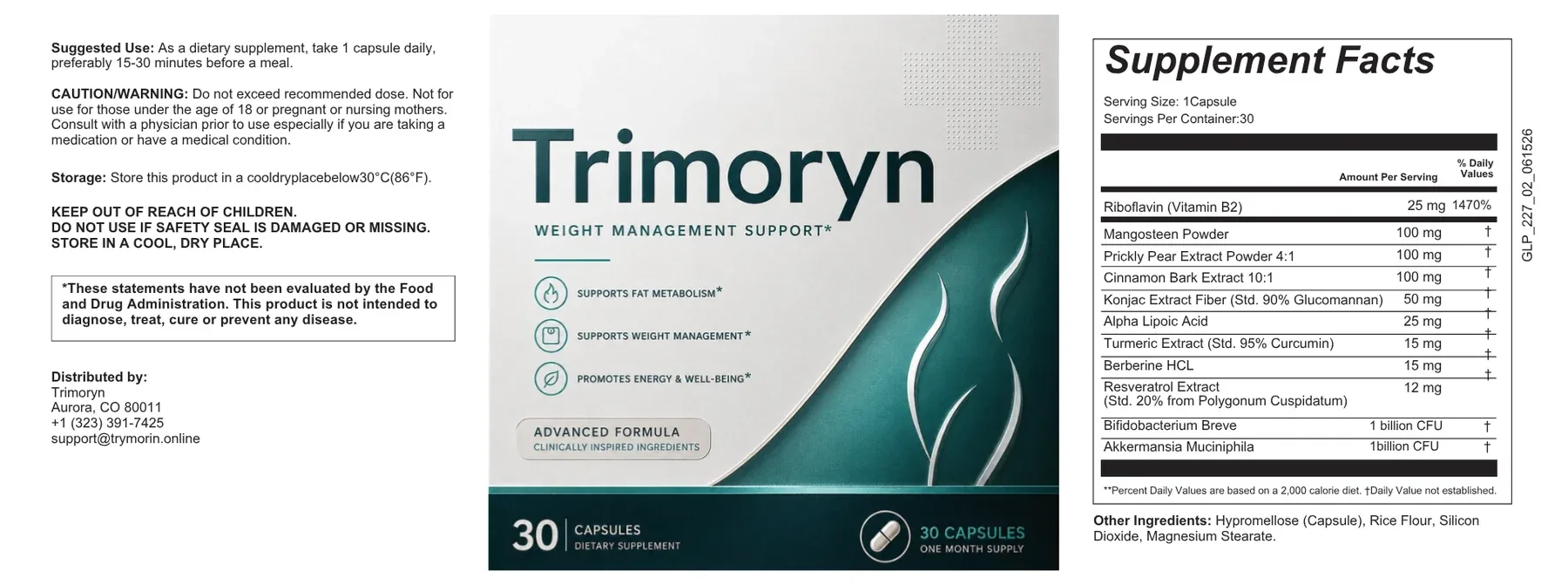
Each of these starts from a row on the printed Supplement Facts panel rather than from a claim on the front of the bottle, and four of the five end on a number that does this product no favours.
Each one takes a single row off the printed panel and follows it as far as the published work goes.
Two named species, two real trials, and a count a tenth and a twentieth of what those trials gave people.
The standardisation on this row makes the arithmetic possible, and the arithmetic is unflattering.

The largest figure on this panel is also the only one with a reference intake behind it, and it has no upper limit at all.

Four notations on one panel, three of which a reader will misread without being told the difference.

Two documents describe two audiences, and only one of them is a restriction that anybody has to follow.
Four things a reader might come here looking for, and the page each one is on instead.
A journal on a retail website earns its place by being useful to somebody who does not buy anything. That is the standard these five are written to, and it is why the longest of them ends by telling a reader who wants the probiotics to buy a different product.
One note on how to read them. Every piece starts from a panel row rather than a front-of-bottle claim, and the order matters more than it sounds. A front-of-bottle claim is written to be believed; a panel row is written to be checked. The panel itself, transcribed entry by entry, is on the label page, and the ingredients page carries what is known about each of the eleven.
If a line in any of these articles is wrong, that is this desk’s problem rather than yours. Write to the website desk with the post and the line, and the correction is made on the page with the review date moved forward rather than noted somewhere nobody reads.
The same shape five times, because the shape is what makes them checkable rather than persuasive.
Every piece carries four to six citations rather than the full site list, because twenty-one sources under a single post reads as padding. Every one of those was fetched from the publisher and swept twice for retractions, once by paper and once by author, and five otherwise clean papers were dropped on the author sweep and replaced.
Answering those five honestly is what the journal is for, and three of the five answers are ones a seller would rather not print.
None of the five needs the others and all five assume you have read nothing else on this website. The panel they all start from is transcribed in full on the label page.
Four tests, and a draft that fails any of them does not go up. Two pieces were dropped at this stage and their subjects are named above.
If a line in any of the five is wrong, that is this desk’s problem rather than yours, and the website desk will change the page rather than argue about it.
One last note on length. Each of the five runs between fifteen hundred and eighteen hundred words, which is longer than most things written about a supplement and shorter than most things written about a single trial. That range is deliberate: it is roughly what it takes to quote a panel row, describe the study behind it, do the arithmetic between the two in public, and say what a reader should do about the answer. Anything shorter has skipped one of those four steps, and on this estate the step that gets skipped is nearly always the arithmetic.
+1 (323) 391-7425 or [email protected]. Have the order ID from your confirmation email in front of you. Orders themselves are placed through the checkout on this website, never by phone and never by email.
[email protected], Mon–Fri 9:00am–5:00pm ET. This address cannot see orders, so a refund request sent here only loses days off a window that is already counting.
Order support answers in business hours Monday to Friday. The 60-day window on this website covers orders placed through this website, which is the reason the two desks are kept apart.